
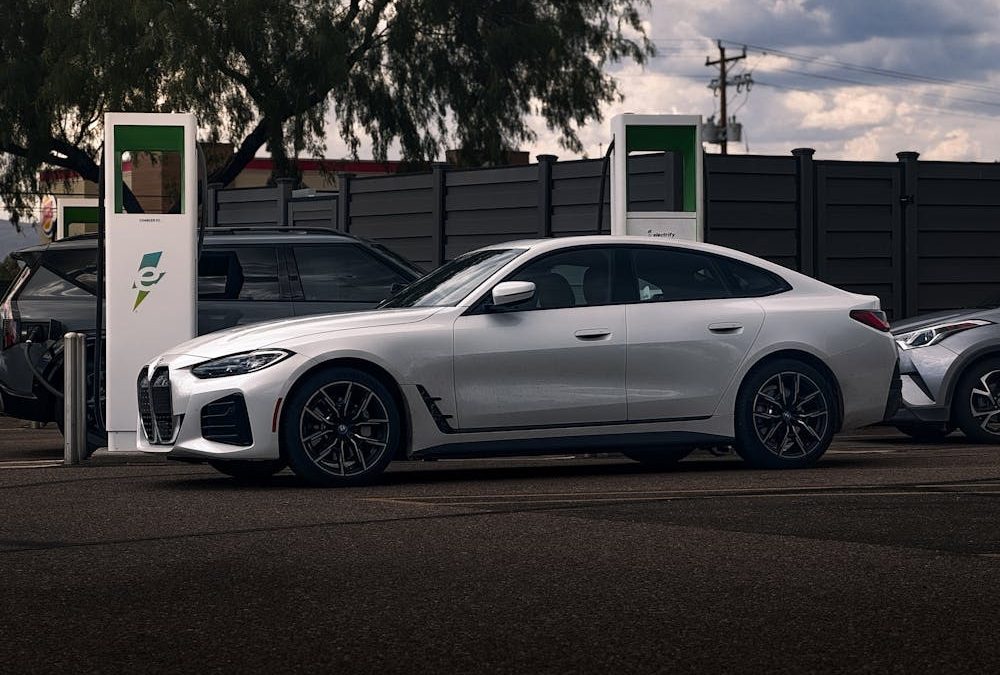
Overview of Electric Vehicles (EVs) and Electric Vehicle Towing Services
Electric vehicles (EVs) have revolutionized the automotive industry, offering a sustainable alternative to traditional internal combustion engine vehicles. The history and evolution of EVs trace back to the early 19th century, with significant advancements in technology and market adoption occurring in recent decades. Today, EVs are at the forefront of the global push towards reducing carbon emissions and combating climate change.
History and Evolution of EVs
The journey of electric vehicles began in the early 1800s with the invention of the first crude electric carriage. Over the years, technological advancements have led to the development of more efficient and affordable EVs. The introduction of lithium-ion batteries in the 1990s marked a significant milestone, enabling longer driving ranges and faster charging times. Today, major automotive manufacturers are investing heavily in EV technology, making it a mainstream choice for consumers.
Current Market Trends
The EV market is experiencing exponential growth, driven by increasing environmental awareness, government incentives, and advancements in battery technology. According to recent reports, global EV sales are expected to reach 45 million units by 2040, accounting for 58% of total passenger vehicle sales. This surge in EV adoption presents both challenges and opportunities for various industries, including towing services.
Importance of Towing Services for EVs
As the number of electric vehicles on the road continues to rise, the demand for specialized towing services is also increasing. Towing services play a crucial role in providing roadside assistance to EV owners, ensuring their vehicles are safely transported in case of breakdowns or accidents. The impact of efficient towing services on customer satisfaction cannot be overstated, as timely and reliable assistance is essential for building trust and loyalty among EV owners. For immediate assistance, Emergency Towing service is available to ensure you are never stranded.
This placement highlights the availability of your emergency towing service at a point where readers are already thinking about the importance of reliable towing.
Role in Roadside Assistance
Towing services are an integral part of the roadside assistance ecosystem, offering support to EV owners in various situations. Whether it’s a flat tire, battery depletion, or a mechanical failure, towing services ensure that EVs are transported to the nearest service center or charging station. This not only minimizes inconvenience for the vehicle owner but also helps maintain the overall efficiency of the transportation network.
Impact on Customer Satisfaction
Customer satisfaction is a key metric for any service-oriented industry, and towing services are no exception. For EV owners, the assurance of prompt and professional towing assistance is a significant factor in their overall ownership experience. By investing in specialized equipment and training, towing companies can enhance their service quality, leading to higher customer satisfaction and retention rates.
Challenges in Towing Electric Vehicles
Technical Challenges
Towing electric vehicles presents unique technical challenges that differ from those associated with traditional vehicles. The weight and design of EVs, coupled with the presence of high-voltage batteries, require specialized equipment and expertise to ensure safe and efficient towing.
Weight and Design of EVs
Electric vehicles are generally heavier than their internal combustion engine counterparts due to the weight of the battery packs. This increased weight can pose challenges for towing, as standard tow trucks may not be equipped to handle the additional load. Additionally, the design of EVs, with their low ground clearance and aerodynamic profiles, requires careful handling to avoid damage during towing.
Battery Safety Concerns
The high-voltage batteries used in electric vehicles present significant safety concerns during towing operations. Improper handling of these batteries can lead to short circuits, fires, or even explosions. Towing companies must invest in specialized training and equipment to safely manage these risks and ensure the safety of both their personnel and the vehicle being towed.
Infrastructure Challenges
The infrastructure required to support the towing of electric vehicles is still developing, with several challenges that need to be addressed. The availability of charging stations and the need for specialized towing equipment are critical factors that impact the efficiency and effectiveness of towing services for EVs.
Availability of Charging Stations
One of the primary challenges in towing electric vehicles is the availability of charging stations. Unlike traditional vehicles that can be refueled at any gas station, EVs require access to charging infrastructure, which may not be readily available in all areas. This can complicate towing operations, as the vehicle may need to be transported over longer distances to reach a suitable charging station.
Specialized Equipment Requirements
Towing electric vehicles requires specialized equipment that is designed to handle the unique characteristics of EVs. This includes flatbed tow trucks, which are preferred for transporting EVs to avoid damage to the drivetrain, and wheel-lift systems that can safely lift and transport the vehicle without causing harm to the battery or other components. Investing in this specialized equipment is essential for towing companies to effectively serve the growing EV market.
Training and Expertise
The successful towing of electric vehicles requires a high level of training and expertise. Towing companies must ensure that their personnel are well-versed in the specific requirements and safety protocols associated with EVs.
Need for Specialized Training
Towing electric vehicles is not the same as towing traditional vehicles. The presence of high-voltage batteries, complex electronic systems, and unique design features necessitates specialized training for towing personnel. This training should cover the safe handling of EVs, emergency response procedures, and the use of specialized towing equipment.
Certification and Compliance
In addition to specialized training, towing companies must also ensure that their operations comply with relevant regulations and industry standards. This includes obtaining certifications for handling high-voltage batteries and adhering to safety guidelines set by automotive manufacturers and regulatory bodies. Compliance with these standards is crucial for maintaining the safety and reliability of towing services for electric vehicles.
Opportunities for Towing Services in the EV Market
Growth of the EV Market
The rapid growth of the electric vehicle market presents significant opportunities for towing services. As more consumers adopt EVs, the demand for specialized towing and roadside assistance services is expected to increase.
Increasing EV Adoption Rates
The adoption of electric vehicles is on the rise, driven by factors such as environmental concerns, government incentives, and advancements in technology. According to industry forecasts, the global EV market is projected to grow at a compound annual growth rate (CAGR) of 21.1% from 2021 to 2030. This growth translates to a larger customer base for towing services, creating new business opportunities.
Government Incentives and Policies
Government incentives and policies play a crucial role in promoting the adoption of electric vehicles. Many countries offer tax credits, rebates, and other incentives to encourage consumers to switch to EVs.
For those in the Greater Vancouver area, several companies Towing Vancouver, Towing Richmond, Towing Burnaby offer comprehensive towing and roadside assistance services tailored to electric vehicles. These providers are equipped with the necessary tools and expertise to handle the unique challenges of EV towing, ensuring that you receive prompt and professional help whenever needed.
Recent Comments